Guides / Choosing a Supplier
Offshore or Local Titanium Machining: How to Compare Cost and Risk on One Sheet
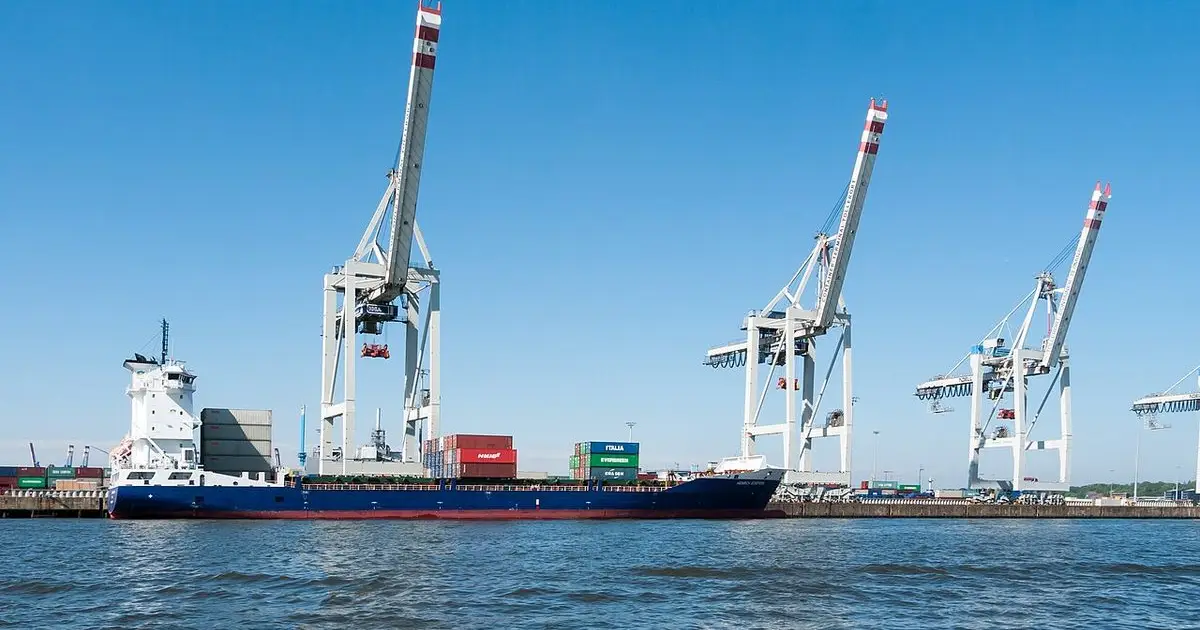
Offshore or local titanium machining is decided on total landed cost and on risk, not on the shop price, and the way to compare is one sheet with the same drawing priced by both. The part price is one line. Freight, duty, pipeline stock, change handling, audits and origin rules are the others, and they can reverse the order of two quotes that look far apart. This post lists those lines, shows how to fill the sheet and says when each option tends to fit. It is origin neutral on purpose: it does not name a best country.
We own no machines, we name no shop and we do not recommend a location. The shops that quote tell you what they can do and where.
What the evidence says, and what it does not
We found no public study comparing titanium machining costs between countries, so we cannot give a percentage. What does exist is general sourcing research, and it points one way: price-only comparisons miss costs. The Reshoring Initiative’s total cost of ownership estimator says it covers 30 cost and risk factors for each source and warns that price-only decisions can produce a 20 to 30 percent miscalculation of actual offshoring costs. Its examples include IP risk cost, innovation cost for products with frequent design changes, political stability risk and freight rates.
A published case shows the mechanism. In a 2011 article Harry Moser reports a sourcing consultant’s comparison for a low labour, machined stainless steel gear: the US cost was 15 percent higher than the overseas cost at the shop price, the two were the same once duty, freight, quality and inventory were added, and the US cost was 8 percent lower after end-of-life and prototyping costs. That is one part, in stainless, 15 years ago. Use it as an illustration of which lines to add, not as a number for titanium.
One sheet, nine lines
| Line | What to ask each shop or work out yourself |
|---|---|
| Part price | On the same drawing revision, quantity, bar size and Incoterms basis |
| Packing and freight | Crate type, freight mode, insurance, who books and pays |
| Duty and brokerage | Rate for the classification of the finished part, from your broker |
| Lead time and transit | Shop lead time plus freight days, and where each clock starts |
| Pipeline stock | Extra parts you hold to cover a longer lead time and any delay |
| Changes | Cost and days to push a revision through |
| Quality and paperwork | Certificates, first article, inspection report, cost of a reject |
| Audit and travel | Cost of one visit and how often you need one |
| Origin and export | Bar melt origin, export control status, sanctions checks |
Put the lines in a column for each quote. Where you cannot find a number, write the question next to the cell and ask the shop. A line with a question mark is more useful than a line left out.
Lines that behave differently with distance
Part price and Incoterms. Quotes are only comparable on the same delivery basis. The International Chamber of Commerce describes Incoterms 2020 as eleven rules that set out the tasks, costs and risks of delivering goods from seller to buyer. A shop price at its own door and a price delivered to yours are different numbers. Convert both to the same rule before comparing, and name the place.
Freight and packing. Distance adds crating, handling and insurance. Wooden crates have to meet the importing country’s wood packaging rules, which our first lot checklist covers from the shop side.
Duty. The rate depends on the classification and origin of the finished part and changes over time. The commercial invoice for a US import has to show country of origin, description, unit price, currency and itemized charges such as freight, insurance and packing, according to 19 CFR 141.86. We give no rate here. Ask a customs broker for the figure on your part before you commit to a price. If any titanium in your supply chain may be of Russian origin, read our page on Russian titanium sanctions first.
Lead time and pipeline stock. Transit days are added to the shop’s lead time, and a longer pipeline means you hold more parts to cover it. Our lead time guide shows where the clock starts and stops. Our guide to measuring on-time delivery shows how to compare a shop’s record.
Changes. A drawing revision is cheap when the shop is a short drive away and costlier when each question takes a day to cross a time zone. The Reshoring Initiative’s estimator lists innovation cost for products with frequent design changes for this reason. If your drawing is still moving, our guide to revision control matters more than the shop price.
Quality, audits and travel. Buyers who audit write it into their terms. Nikon AM Synergy’s published supplier terms, for one, require suppliers to give the buyer, its customers and regulators access to facilities and records. If you want that right, price the trips that use it. Our posts on heat lot traceability and mill certificates show what to ask for in the paperwork whichever location you choose.
Origin and export. The location of the shop does not decide where the bar was melted. DFARS clause 252.225-7009 treats titanium as a specialty metal and requires titanium in delivered items to be melted or produced in the United States, its outlying areas or a qualifying country, with listed exceptions, and the clause flows down to subcontracts. If your end use may fall under it, a shop anywhere has to buy compliant bar, and you check that on the certificate. For the drawing, see export controls on titanium parts.
Need a quote for this part? Get a titanium quote
When each option tends to fit
These are tendencies, not rules. Test them on your own sheet.
| Situation | Tends to favour | Why |
|---|---|---|
| Drawing still changing, prototypes | Local | Revisions and questions cost less with a short loop |
| Frequent audits or visits needed | Local | Travel is a recurring cost |
| Short lead time, small lots | Local | Transit days and minimum freight weigh more |
| Stable repeat part, long horizon | Either, price it | Setup and first article are paid once and spread |
| Heavy documentation, special processes | Either, ask for the route | The cost sits in the process chain, not the address |
| Large quantities with forecast | Either, price it | Pipeline stock can be planned |
How to run the comparison
- Ask two or three shops, in different places, to quote the same drawing, quantity and Incoterms rule.
- Fill the nine lines for each. Where a figure is missing, ask.
- Add a line for the cost of one problem lot. The rejected part post shows how a remake is built up.
- Compare the totals, then compare the questions that remain.
- Order a sample from the leading shop before releasing production. Our post on samples and minimum orders shows how to stage it.
What to put on the RFQ
Say where the parts will be used, the Incoterms rule and named place you want priced and whether origin or export status matters. Ask each shop for the bar source on its quote. Send the drawing through the RFQ form and we reply within 24 business hours with one itemised quote that states the location and terms.
Sources
- Reshoring Initiative, TCO Estimator (30 cost and risk factors; tool page)
- Harry Moser, “Total Cost of Ownership Analysis: A Key Tool for Expansion”, 9 September 2011 (stainless gear example)
- International Chamber of Commerce, Incoterms 2020 rules
- 19 CFR 141.86, contents of invoices (Legal Information Institute)
- DFARS 252.225-7009, restriction on acquisition of certain articles containing specialty metals
- Nikon AM Synergy, supplier terms and conditions F020 Rev F (access to facilities and records)
Frequently asked questions
Is offshore titanium machining cheaper than local?
Sometimes at the shop price, less often once freight, duty, pipeline stock and the cost of problems are added. We found no public titanium-specific comparison. One consultant's published example for a machined stainless gear had the local part 15 percent dearer at the shop price and equal after duty, freight, quality and inventory. One part is not a rule.
What costs are missed when comparing offshore and local titanium quotes?
Freight, insurance and packing, duty, customs brokerage, extra stock held because the pipeline is longer, travel for audits, time spent on revisions across time zones and the cost of a rejected lot. A total cost tool from the Reshoring Initiative covers 30 cost and risk factors per source for this reason.
Does the machining location decide where the titanium comes from?
No. Where the bar was melted and where it is machined are separate facts. Some work, for example US defence contracts under DFARS 252.225-7009, restricts where titanium is melted or produced. Put the origin you need on the order, ask for the mill certificate and check it. The shop's address does not answer the question.
When does local titanium machining make more sense?
When the drawing is still changing, when you need to audit or visit often, when lead time cannot absorb transit, when lots are small or when the parts carry heavy documentation. Each of those raises the cost of distance. Stable repeat parts with a long planning horizon lower it. Price both options on one sheet before deciding.
Need a quote for this part?
Send the drawing. We send one itemised quote for the finished parts and reply within 24 business hours.
Get a titanium quote