Guides / For Shops
Titanium Shop Registration: Profile Details That Decide Which Work Requests You See
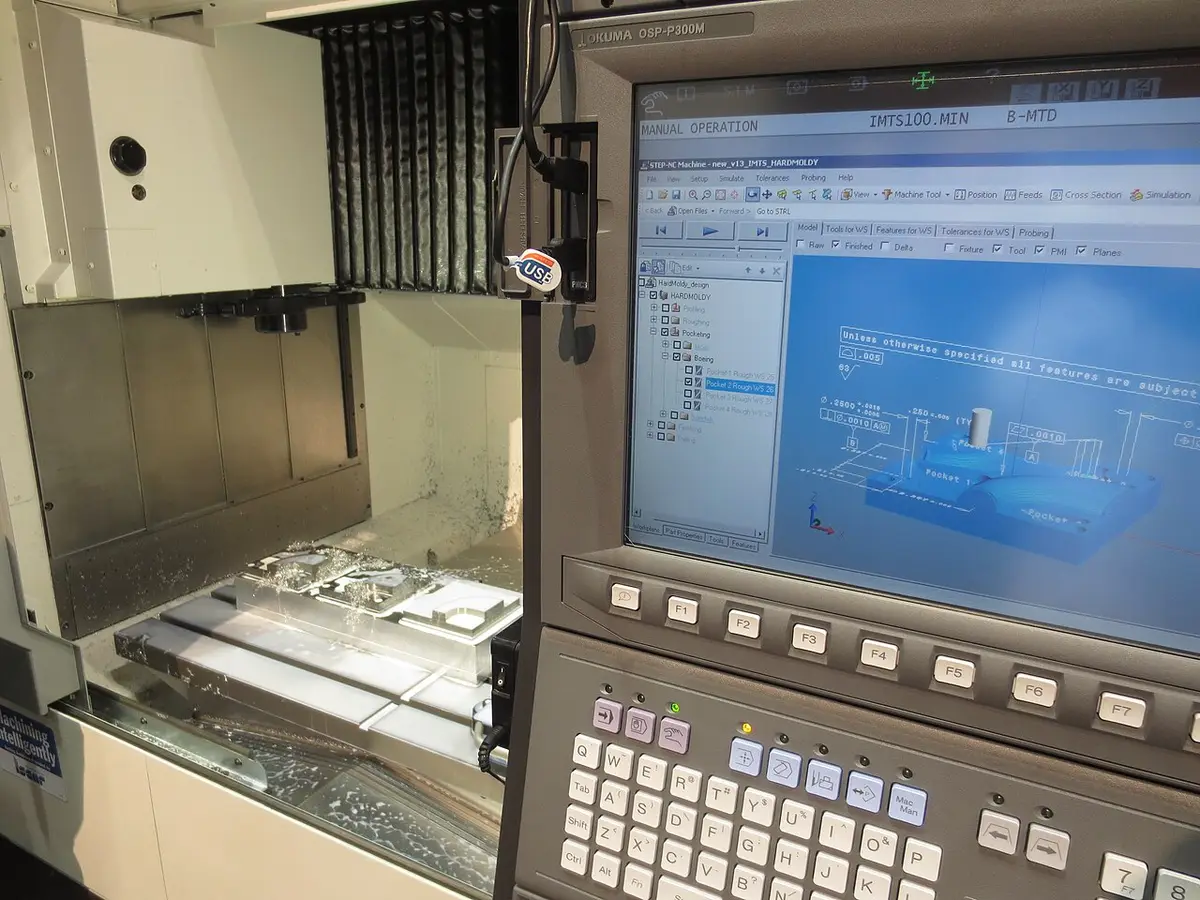
A titanium shop registration decides which work requests you see, and the profile fields do that work: the machines you name, the grades you cut regularly, the largest part you can hold, the quantity band you take and the certificates you hold. Fill each with something we can check against a drawing and the work requests that reach you will fit the shop. Fill them with adjectives and you will read requests you cannot quote.
This is a shop-side post. It does not set prices or terms: those are agreed on each PO. It describes how a registration profile is read, using the method published on our how an order runs page and the fields on our shop registration form.
What we read from your profile
Our method page lists seven checks a shop has to clear for a specific part: titanium in current production, grade and stock route, part envelope and workholding, tolerance and inspection, certificates, region and current capacity. The registration form collects the first inputs for those checks. Here is the field and what to put in it.
| Form field | What to write | What a vague answer costs you |
|---|---|---|
| Machines | Model and count, axes, bar capacity or largest travel | Work requests for parts your machines cannot hold |
| Titanium grades you cut regularly | Grade 2, Grade 5, Grade 23 ELI: only those in current production | Requests for grades you quote badly |
| Largest part envelope | Length by width by height in mm, with the fixture included | Oversize parts, or no large parts at all |
| Quantities you take | The band you actually run, or all of them | A mismatch in batch size before you read the drawing |
| Other materials you run | Stainless, Inconel, aluminium if you cut them | Mixed-material parts you could have taken |
| Industries you serve | Where you have shipped parts, not where you hope to | Requests that need paperwork you do not have |
| Certifications | Only what you hold | Requests that require what you lack |
Machines: model and count
The form’s own example is two machining centres, a mill and a lathe listed by model. Follow it. A named model tells a reader the axes, the spindle class and roughly the envelope. “CNC machining” tells nobody anything. Add what the model does not show: the longest bar you can feed, any high-pressure coolant system and the measuring equipment you own. Our guide to tooling and coolant for titanium explains why the coolant line matters on this metal, and the one on inspection equipment for titanium shops shows which instruments a buyer looks for.
Another platform asks for the same kind of data. Xometry’s supplier page, for one, says you can add or update your certifications, materials, processes and equipment in your shop capabilities, and that it matches those to jobs. In both cases the profile is the data the selection runs on.
Grades: only what you cut now
List the grades you cut regularly: the form’s own placeholder is Grade 2, Grade 5 and Grade 23 ELI. “Regularly” is the test our shop page applies: it asks for titanium in production, not once two years ago. To check that a grade belongs on the list, look at the shop’s own history: when was the last lot, what bar did it come from and who signed the first article? Our grades chart shows the ones shops actually machine, so you can see where your list sits.
Envelope and quantity band
Write the envelope as the largest part you can run including its fixture, not the largest travel on the machine table. We check that a part and its workholding fit, so a listed envelope that ignores the fixture produces work requests for parts you will turn down.
For quantity, the form offers four bands: 1 to 10, 11 to 100, 101 to 1,000 and 1,000 plus, with an “all of the above” choice. Pick the bands where you have run titanium and made money. A shop that is good at five-piece prototypes and weak at three hundred-piece repeats should say so. It is also worth reading our post on minimum order quantity and sample parts before you decide where your own floor is.
Need a quote for this part? Get a titanium quote
Certificates: tick what you hold
The certification list on the form reads ISO 9001, AS9100, ISO 13485, Nadcap and None yet. The last is a legitimate answer. Our shop page does not make a certificate an entry condition, but some RFQs do ask for one and we read that request against the profile. Ticking a certificate you do not hold only moves the problem to the buyer’s audit.
Two points to keep apart:
- A certificate is the document of a certification body. Hold the current certificate with its scope and expiry date, and be ready to send it. Our pages on what an ISO 9001 auditor checks and on Nadcap for titanium parts describe what each covers.
- A registration for defense work is a different thing. 22 CFR 122.1(a) requires a person engaged in the United States in the business of manufacturing or exporting defense articles to register with the Directorate of Defense Trade Controls, and it applies even to a person who only manufactures. If an RFQ carries export-controlled data, that is a question about your legal status, not about a profile field. Our post on export controls on titanium parts covers the drawing side.
Xometry’s page makes the same practical point from another side: certificates are not strictly required, but they widen the jobs you can see, and some applicants are asked to make and ship a test part. Treat the profile as the first of several checks and not the last.
Region, capacity and what happens after
Region is the buyer’s choice on the RFQ, and we ask shops inside it first when a good fit exists. Capacity is the one field that changes weekly. Our method page says a shop booked past the buyer’s date is not a fit, however capable it is. If you are full for six weeks, tell us by email and expect fewer work requests. Our post on titanium shop capacity planning shows how to count free spindle hours before you say yes.
What you see next is a work request: part type, grade, size, quantity, tolerance, paperwork, region and deadline, with the drawing and no buyer name or company. You decide from that whether to quote us. The profile exists to make that decision easy to get right.
Before you submit
- Machines listed by model and count, with axes.
- Bar capacity or largest travel written down.
- Grades limited to those in current production.
- Envelope stated with the fixture included.
- Quantity band you have run and made money on.
- Certificates ticked only if you hold them today.
- Contact who reads email daily.
- Someone who emails us when machines or capacity change.
Where to take this next
A profile is a few minutes of work and it decides what lands in your inbox. If you cut titanium and want work requests that fit your machines, read the page for partner shops and talk to us about whether it fits yours. You can also write to and we reply within 24 business hours.
Sources
- Our method page: the seven checks and the work request contents
- Our shop page: registration form fields and entry points
- Xometry, become a supplier (profile, certifications, matching; another platform’s practice, shown for comparison)
- 22 CFR 122.1, registration requirement (eCFR)
Frequently asked questions
What does a titanium machine shop need to join the partner network?
Company and country, a contact, the machines by model and count, the titanium grades you cut regularly, your largest part envelope, the quantity band you take, other materials, industries served and the certificates you actually hold. Our shop page asks for exactly these. A profile built from specifics gets work requests you can quote. A vague one gets noise.
Do I need AS9100 or ISO 9001 to register?
Not on our shop page. It lists four entry points: titanium in production, a reply to our work requests within 48 hours, an NDA when we ask and honest quoting. The certificate list offers None yet as an answer. Some RFQs do ask for a certificate, and we read that against your profile, so tick only what you hold.
How should a shop list its machines on a registration form?
By model and count, for example two five-axis centres and one lathe with live tooling, not the words CNC machines. Add axes where it matters, the largest travel or bar capacity you can run, and any measuring equipment you own. A reader of the profile cannot tell a small three-axis mill from a large five-axis centre from the word machining.
Should I list every grade I have ever cut?
No. List the grades you cut regularly now, as we filter on titanium in current production. Claiming a grade you cut once two years ago gets you requests you will decline or quote badly. Leaving a grade off costs you some work requests, which is a smaller loss than a bad quote.
Need a quote for this part?
Send the drawing. We send one itemised quote for the finished parts and reply within 24 business hours.
Get a titanium quote