Guides / For Shops
Titanium Quote Validity: How Long to Hold a Price When Bar Costs Move
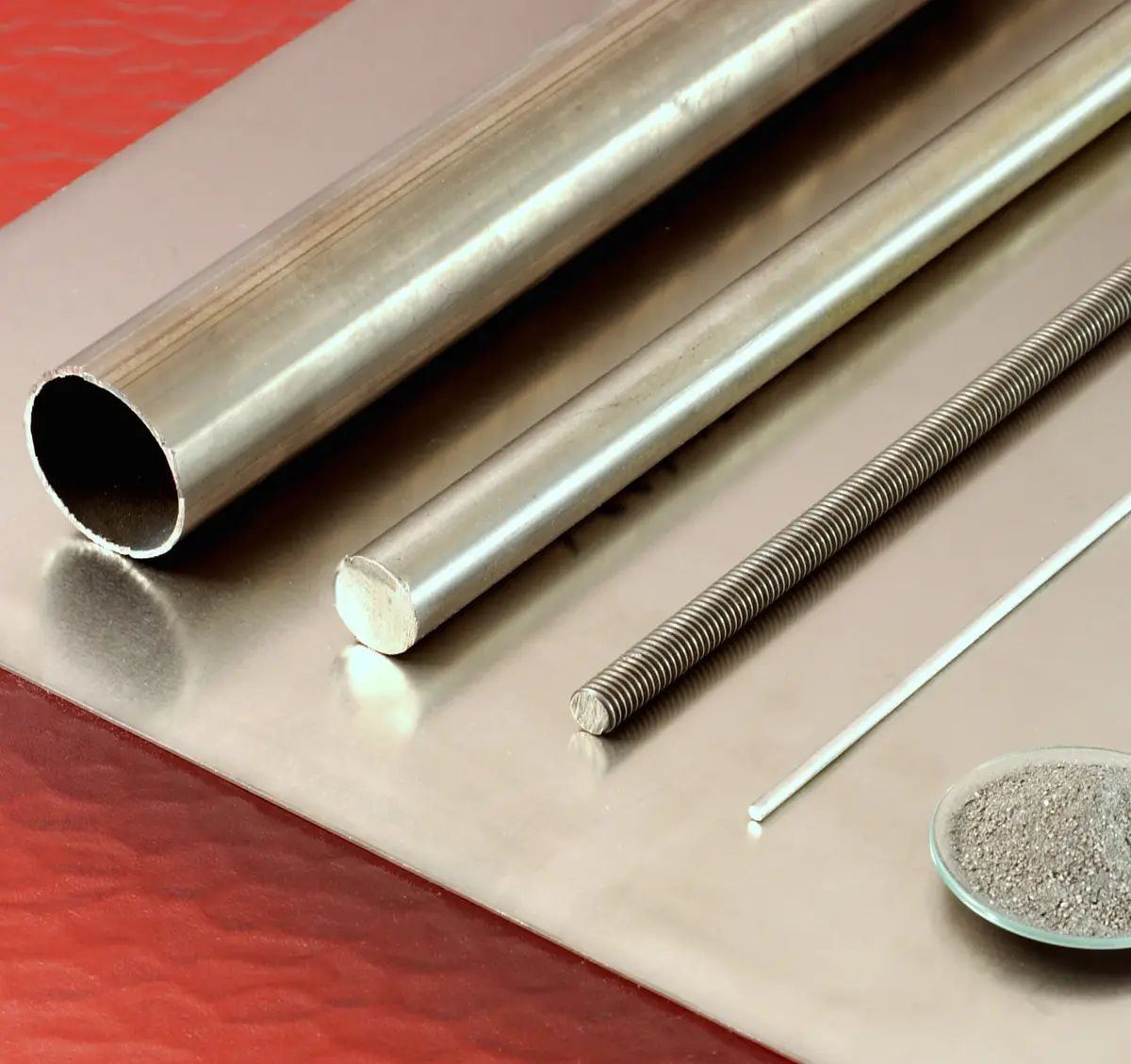
Hold a titanium quote for no longer than your bar supplier holds its price, and write the expiry as a calendar date. Titanium bar is a large share of a part’s price, and the mills behind your supplier reprice on a fixed calendar, so a 90-day validity copied from an aluminium template leaves you carrying their price changes for free. This guide covers how mills publish price changes, three ways to word validity, a checklist for the quote and what to do when a quote expires. It builds on our guide to quoting titanium work, which lists material as the first of the five lines.
Three clocks run on one quote
A titanium job has three separate dates, and a quote only controls one of them.
- Quote date to acceptance. The buyer decides in days or weeks. This is the validity period you set.
- Acceptance to bar purchase. You place the bar order, or you already hold the stock. This gap carries the price risk.
- Bar purchase to shipment. Titanium bar can be a mill order, so the purchase may sit weeks behind the acceptance. See stock forms and lead time.
If the bar is on your shelf at a known cost, clock two is zero and you can hold longer. If it still has to be bought, your exposure runs from the day you quote until the day your supplier locks its price to you.
How mills reprice, in their own words
Two alloy producers that sell titanium publish how their surcharge works. Neither page gives a quote validity, which is the point: the price moves on their schedule and your quote has to work around it.
| Producer | What it publishes | Timing | Source note |
|---|---|---|---|
| Carpenter Technology | A raw material surcharge per alloy, built from alloy composition, melt yield and the gap between 1999 base prices and current market prices | Generally updated by noon US Eastern on the first business day of each month; may be changed mid-month if raw material prices move more than 10% from the prior month | The page says surcharges apply at time of shipment unless stated otherwise at order entry. Titanium has its own surcharge document; the page gives no titanium update schedule |
| ATI Specialty Materials | A raw material index surcharge for nickel, cobalt, titanium and specialty steel alloys | Published quarterly, from the gap between the prior quarter’s cost and a base cost for the critical melt elements | Rates and calculation can change without notice, and a customer’s own index may come out differently |
We do not quote a titanium surcharge figure here. The only public titanium figures we found were more than ten years old and from a distributor’s blog, and the mills’ current sheets are the source to use. Our titanium price guide found no open index for mill bar prices, which is why the surcharge sheet and your supplier’s written quote are your reference points.
Two consequences follow. First, a mill surcharge applied at shipment means a long order released over months can reprice on every release. Second, the distributor between the mill and you adds its own price hold, which can be shorter than the mill’s cycle.
Three ways to word validity
| Option | How it reads | Who carries the risk | Use when |
|---|---|---|---|
| Fixed price, short window | Price valid until a calendar date, with bar on hand | You, but only for the days of the window | Bar is on your shelf or your supplier has confirmed stock and price |
| Price tied to shipment | Quote lists material as adjustable to the supplier’s invoice price at order or at shipment | Shared: the buyer carries the movement after the expiry date | Bar is a mill order or the job runs on releases |
| Price firm on order | Price firm once you receive the PO and buy the bar within a stated number of days | You, from acceptance only | The buyer wants one number and you can buy bar the same week |
Published shop terms already use the second option. One manufacturer’s published quotation terms say pricing and lead time last for the period on the quote, default to 10 days if none is stated, and since March 2024 price raw material, outside processing and purchased parts at the prevailing price at time of shipment. Treat that as one example of the wording, not a standard.
Need a quote for this part? Get a titanium quote
What to write on the quote
- A calendar expiry date. Software vendor guidance on quotes advises writing the date the quote expires, not “valid for 30 days”, because the start date of a duration is often disputed after prices move.
- A hold no longer than your bar supplier’s. Ask the supplier for its price validity in writing, and set yours at or below it.
- What can move. Name the lines: bar stock, outside processes and any purchased item. Leave machine time and setup fixed.
- The reference point. For example, the supplier’s invoice for this order, or the surcharge sheet in effect on the order date.
- A notification rule. You tell the buyer in writing, with the supplier document, before you buy the material.
- Lead time subject to stock confirmation, if you have not confirmed it. Our bar supplier guide shows why a quote on an unusual diameter needs that line.
Reference the quote number on the order, so the terms follow the order. A buyer’s purchase order with its own terms can override a quote, so have both sides accept the adjustment in writing. This is general practice, not legal advice, so have a lawyer in your country check the wording before you rely on it.
Blanket orders and releases
A buyer who sends a blanket order with releases over six months does not fit a single validity date. If a mill applies its surcharge at shipment, each release can land in a different month. Quote the first release firm, then state how later releases are priced: either a named reference reset on a stated date each quarter, or a rolling quote reissued before each release. Both are easier to defend than a six-month fixed price on material you have not bought.
What to do when a quote expires
Do not reissue a bare higher total. Check each line against current supplier prices, change only the lines that moved, and send the quote again with a new expiry date and a one-line note on what changed. Guidance on this from a quoting-software vendor is the same: adjust only the changed lines and keep the explanation short. A buyer who can see that only bar moved will usually stay with you and a buyer who sees a bigger number with no reason will price other shops.
Quote terms are one of several levers on the final price; see our guide to how to reduce titanium machining cost.
Where to take this next
If your shop cuts titanium and wants work requests that arrive with drawings and a stated quantity, join as a partner shop. The work request carries no buyer name, and you decide what to quote and at what price.
Sources
- Carpenter Technology, raw materials surcharge (page updated 1 October 2026)
- ATI Specialty Materials, tools and resources (raw material index surcharge)
- Avalon, quote terms (example of a manufacturer’s published terms)
- Zigaflow, quotation validity (software vendor guidance, directional)
Frequently asked questions
How long should a titanium machining quote stay valid?
No standard exists. A practical rule is to match the shortest price hold you cannot control, which is usually your bar supplier's. If the bar is on your shelf, you can hold longer. If it still has to be bought, hold it for as long as your supplier holds its price, and write the expiry as a calendar date.
Do titanium mills change prices after you quote?
Yes. Carpenter Technology publishes a raw material surcharge that is generally updated on the first business day of each month, and it applies at time of shipment unless the order says otherwise. ATI publishes its index quarterly. Ask your bar supplier which index it follows and when it next changes.
Can a shop add a material price adjustment clause to a quote?
Yes, and some published shop terms already do. One manufacturer's published quote terms price raw material at the prevailing price at time of shipment. State what can move, the reference point and how you notify the buyer. Have the clause checked by your own counsel and repeat it on the order.
What happens when a titanium quote expires?
Re-check each cost line against current supplier prices, change only the lines that moved and reissue with a new expiry date and a short note on what changed. A buyer who sees which line moved can judge the new price, and one who sees a bare higher total will start comparing other shops.
Need a quote for this part?
Send the drawing. We send one itemised quote for the finished parts and reply within 24 business hours.
Get a titanium quote