Guides / For Vendors
How to Run a Fair Cutting Tool Trial in a Titanium Shop
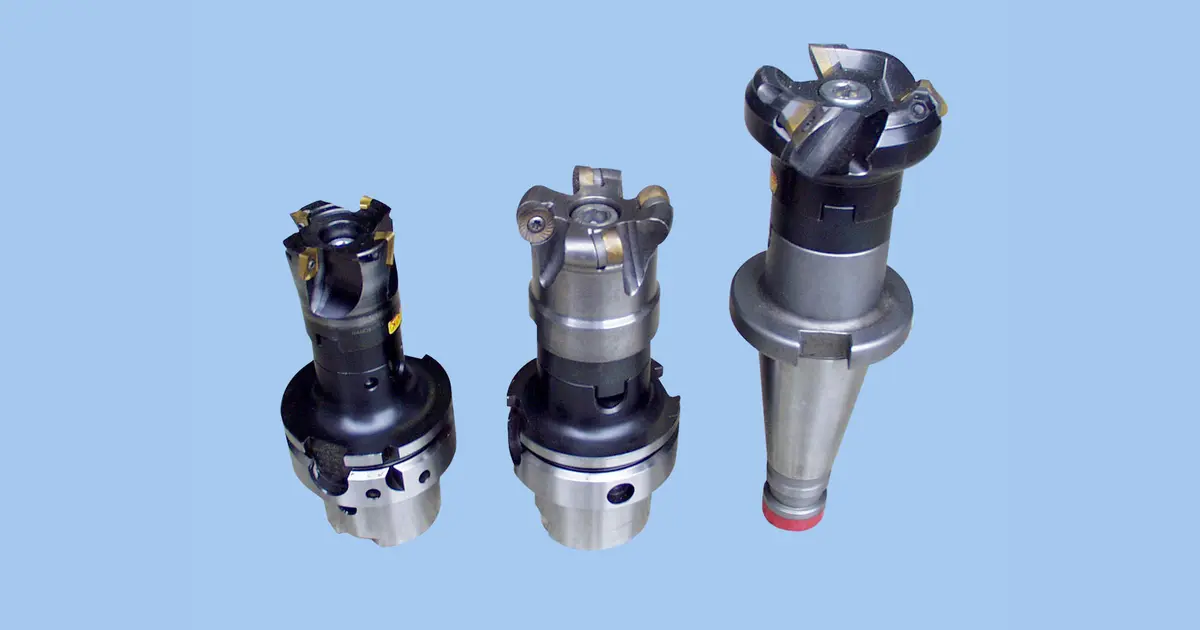
A fair cutting tool trial on titanium keeps everything the same except the tool, defines tool life before the first cut and reports cost per part from the shop’s own log. Vendors who win trials rarely have the best tool on paper. They have the cleanest method, so the shop can believe the result even when it is not what it hoped. Our guide to what shops want from tool and coolant vendors explains why shops distrust catalogue data. This guide is the other half: how to run the test itself.
Start with one job and one question
Pick one existing job the shop runs now, with a stable program, a known tool and a clear cost problem. Good questions are narrow: “Can we get more parts per edge on the deep pocket in Grade 5?” or “Can we cut this cycle by moving to a different insert on the roughing pass?” A trial that tries to prove a tool is good at everything proves nothing.
Write the question, the job and the success measure on one page that both sides sign or email back. Sandvik Coromant’s titanium tips tell shops to plan the whole process before the first chip, and the trial deserves the same care. Our speeds and feeds guide gives typical numbers for context, but the shop’s current parameters are the baseline.
Fix everything except the tool
Titanium punishes small changes, so list what must stay the same:
| Variable | Rule for the trial |
|---|---|
| Machine and spindle | Same machine, or same model and a recent spindle check |
| Material | Same grade, same condition and, where possible, the same heat lot. See our heat lot guide |
| Toolholder | Same holder, same stick-out, same runout check |
| Coolant | Same type, concentration, filtration and pressure, written down |
| Workholding | Same fixture and clamping |
| Program | Same toolpath unless the path is what you are testing |
| Operator | Same person or same instructions on edge changes |
Sandvik names the coolant specifics that matter on titanium: concentration of 10 percent or more, filtration to 25 microns or better and a pump of at least 500 psi. If the shop’s coolant is below that, say so and decide together whether to fix it first. Do not quietly improve the coolant for your tool and leave the baseline on weak coolant.
Coolant is not a small variable. In the University of Sheffield finish turning study on Ti-6Al-4V, flood coolant reached roughly 88 to 92% and dry cutting roughly 70 to 80% of the speed that 60 bar through-tool coolant allowed for the same 15-minute tool life. A swing of that size can hide or fake a tool improvement.
Hold tool holding constant as well. Sandvik names shrink-fit, Safe-Lock and hydraulic holders as ways to prevent pull-out. A tool that moves in the holder will end its life early and blame the insert.
Define tool life before the first cut
Tool life means nothing without an end point. Choose one and write it down:
- A flank wear limit, with the way you measure it (microscope, loupe or gauge) and where on the edge.
- A fixed number of parts or minutes, comparing wear at that point.
- A fixed life, comparing the speed that reaches it. The Sheffield study did this, reporting the surface speed that gave a 15-minute tool life.
- A failure rule, such as chipping or a size or finish limit.
ISO 3685 is the standard people cite for tool life testing, but its scope is high-speed steel, carbide and ceramic single-point turning tools on steel and cast iron workpieces. It does not cover titanium, so do not call a titanium trial “per ISO 3685”. Borrow the discipline: it specifies workpiece, tools, cutting fluid, cutting conditions, equipment, assessment of tool deterioration and recording of results, and a titanium trial should write down the same list.
Sandvik describes a narrow band of machinability in titanium, where small deviations from the feed and speed range can melt or break tools. That is a reason to define wear early and change edges at the limit. It is also why failure mode matters as much as minutes. An insert that fails by chipping and one that fails by smooth flank wear say different things about the tool and the setup.
What to record
Use one sheet per tool, filled in by the shop as the work happens:
- Date, machine, job, program, grade and heat number.
- Tool, edge, parameters (speed, feed, depth of cut, engagement) and coolant settings.
- Minutes in cut or parts per edge.
- Wear measurement at each check and the reason the edge was removed.
- Failure mode in words, with a photo if you can.
- Surface finish, size or burr problems on the part.
- Chip shape. The Sheffield study found tangled chips in both dry and flood cutting, so chip control can decide a trial even when wear looks fine.
- Cycle time per part.
Run at least two edges of the challenger and the baseline on the same job, interleaved if the machine allows. One good edge is luck. Two or three edges that agree is a result. If they disagree, say so.
Need a quote for this part? Get a titanium quote
Change one thing at a time
If your tool needs a different speed, feed or coolant nozzle position, test those steps one by one on a separate run before the full trial. A first run at the shop’s current parameters shows what your tool does in their conditions. A second run at your recommended parameters shows what the change adds. Mixing them hides which step helped.
Sandvik’s advice on speeds is a starting point only: its article gives 60 m/min for roughing and 3 to 4 times that for finishing, and tells users to follow the tool maker’s recommendations. Use your own current data for the insert and the grade, and say the source in the report.
Report cost per part, not tool life alone
A tool with twice the life is no gain if it costs three times as much or doubles the cycle time. Report four numbers on the same sheet:
| Measure | Why it matters |
|---|---|
| Tool cost per part | Edge price divided by parts per edge |
| Cycle time per part | Spindle time is usually the larger cost |
| Scrap or rework | One lost titanium blank can cancel the savings |
| Change time | Stops and offsets at each edge change |
The shop knows its own machine rate, so let it apply that. Our titanium machining cost guide shows how the cost lines add up in a quote. Give the shop the raw log, not just a summary, and include the runs that failed. A report that hides the bad edge will be checked against the shop’s own records and then discounted for good.
Conduct that wins the second trial
- Be on site or on call for the first edge change. Shops remember who showed up.
- Do not tune only the challenger. If you improve the setup, offer the baseline the same improvement and measure again.
- Say when the result is not good. A vendor who says “your current insert is better for this job, but here is what we can do on the roughing pass” is more believable the next time.
- Do not promise tool life figures in advance. State a range with its conditions and let the trial confirm it.
- Leave the data with the shop. The sheet belongs to them.
This is also what a technical reviewer does when we ask one to check a guide: be specific about conditions and own the limits. If you supply tools or coolant and would find that useful, register your company. There is no fee and no paid placement, and we do not promise introductions.
Sources
- Sandvik Coromant, Troublesome titanium: tips on machining this tough material (older article; coolant concentration, filtration, pressure, toolholding, starting speeds)
- Taylor, Hernandez, Marshall and Broderick, Cutting fluid application for titanium alloys Ti-6Al-4V and Ti-10V-2Fe-3Al in a finish turning process, Procedia CIRP 77, 2018 (University of Sheffield)
- ISO 3685:1993, Tool-life testing with single-point turning tools (scope, as listed by a standards reseller)
- Sandvik Coromant, workpiece materials (titanium machinability)
Frequently asked questions
How long should a cutting tool trial on titanium run?
Long enough to see the end of tool life on at least two edges of each tool, plus the baseline tool on the same job. A University of Sheffield turning study compared speeds at a fixed 15-minute tool life, which shows one way to set a clear end point. Agree the stop rule before the first part, not after.
Which wear limit should a titanium trial use?
Agree one in writing. ISO 3685 is the well-known standard for tool life testing, but its scope is single-point turning tools on steel and cast iron, so it does not settle titanium. Pick a flank wear limit or a fixed life, state how wear is measured and use the same rule on the shop's current tool and yours.
Does the coolant have to be the same in both tests?
Yes. In the Sheffield study on Ti-6Al-4V, flood coolant reached about 88 to 92% and dry cutting about 70 to 80% of the speed allowed with 60 bar through-tool coolant for the same 15-minute life. A change in coolant alone can swing the result by that much, so it must not differ between the baseline and the trial.
What should a vendor report after a titanium trial?
Minutes in cut per edge, parts per edge, the failure mode, cycle time, surface finish and cost per part, with the shop's own log as the record. Include runs that failed. A report that shows only the best edge will be checked against the shop's log and discounted.
Need a quote for this part?
Send the drawing. We send one itemised quote for the finished parts and reply within 24 business hours.
Get a titanium quote